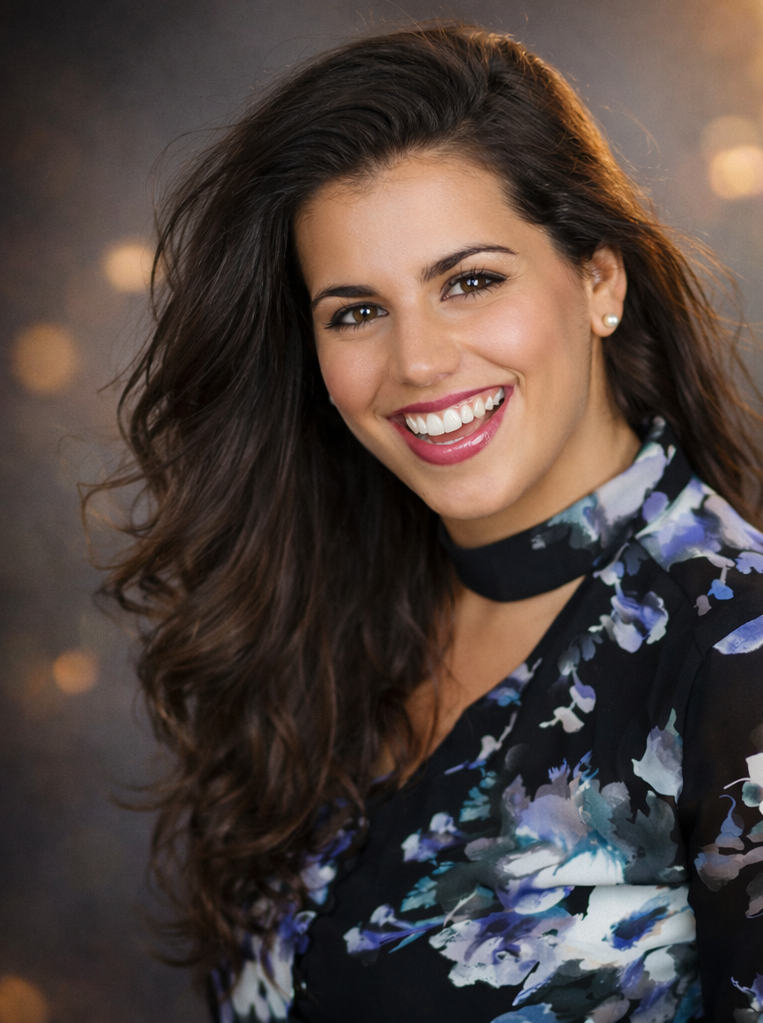
Si and Marcos had their engagement session photographed by Acromatico at a Connecticut waterfall at the end of summer 2020. After their original location turned out to be temporarily closed, Marcos found a new waterfall spot on the spot, Si wore a flowy dress, and the couple even got into the water.
For Si and Marcos's Connecticut engagement session, the plan was to be spontaneous and go with the flow. The session had originally been fully planned with a set location, but the couple and their Acromatico photographer decided to do something different instead. When the original spot turned out to be temporarily closed, Marcos found a new waterfall location right away. All he told Si was to wear a flowy dress, so she did, knowing nothing else about where they were headed — a sign of how easy-going this couple is.
End of summer meant making the most of the water, and Si and Marcos were up for all of it, even getting in. It wasn't entirely without surprises: a bee stung Si (she's not allergic and was fine), the photographer and Justin ended up with poison ivy after climbing a tree log and stepping through bushes, and some fish weren't thrilled about the unexpected guests in their water. Through all of it, Si and Marcos stayed easy-going, adapted to everything, and made it look flawless. Their wedding is still to come.
“All he told Si was: make sure to wear a flowy dress, so she did! She knew nothing else.”
Good to know


Connecticut sits in the northeastern United States and is part of the New England region, bordered by New York to the west, Massachusetts to the north, Rhode Island to the east, and Long Island Sound to the south. The state's rivers and wooded terrain make waterfalls a natural backdrop for engagement photography, and many of them sit within state parks and forests where access can be seasonal — which is exactly why a backup plan matters.
As Si and Marcos's session shows, waterfall locations can be temporarily closed, so it helps to scout an alternate spot before the day and to be flexible about timing. Late summer is a popular window because warmer water makes getting in feasible, but it also means real wildlife — bees, fish, and poison ivy along the banks — so wear something you can move in, watch your footing on logs and brush, and bring a flowy outfit that photographs well near moving water.