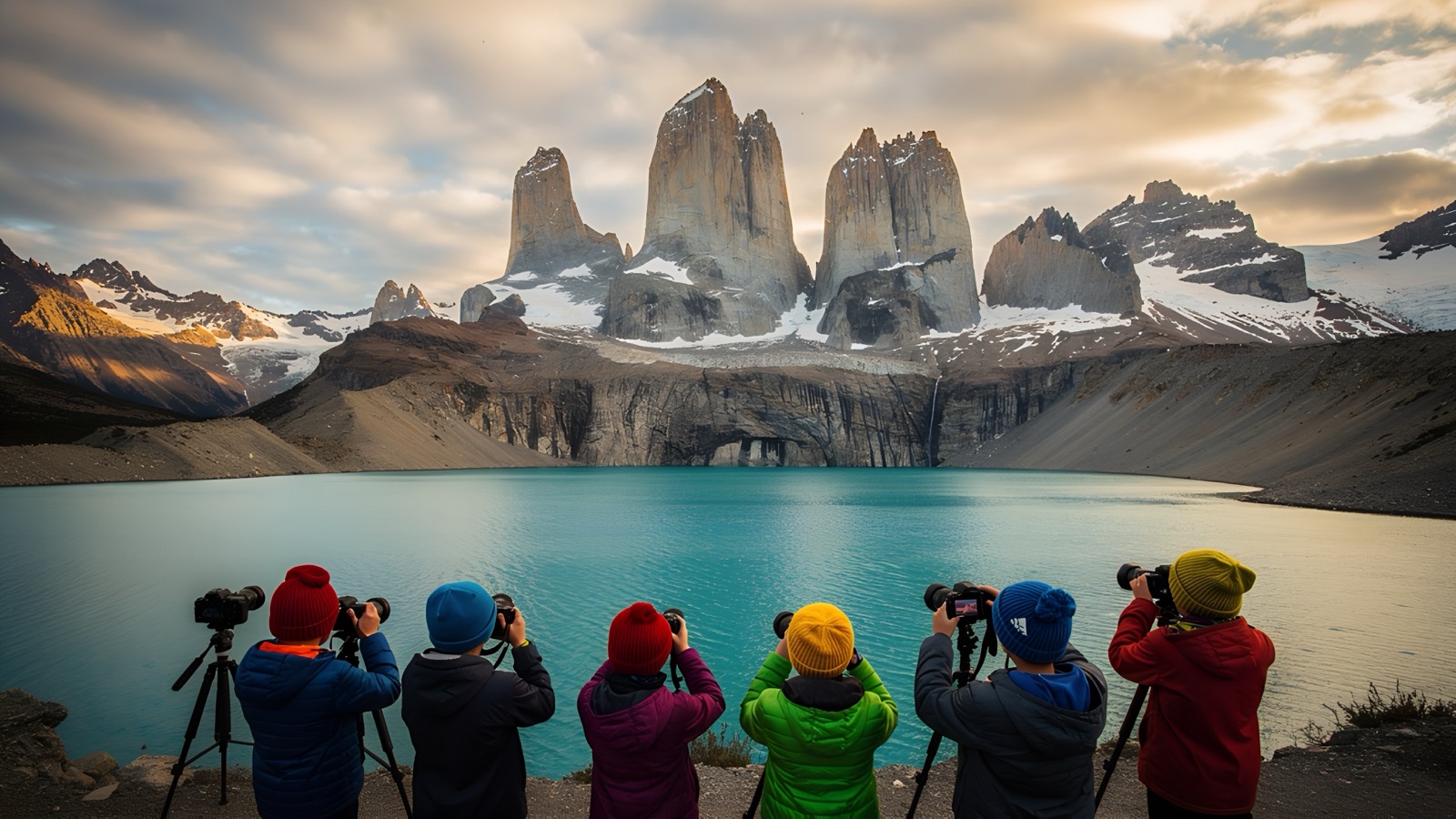
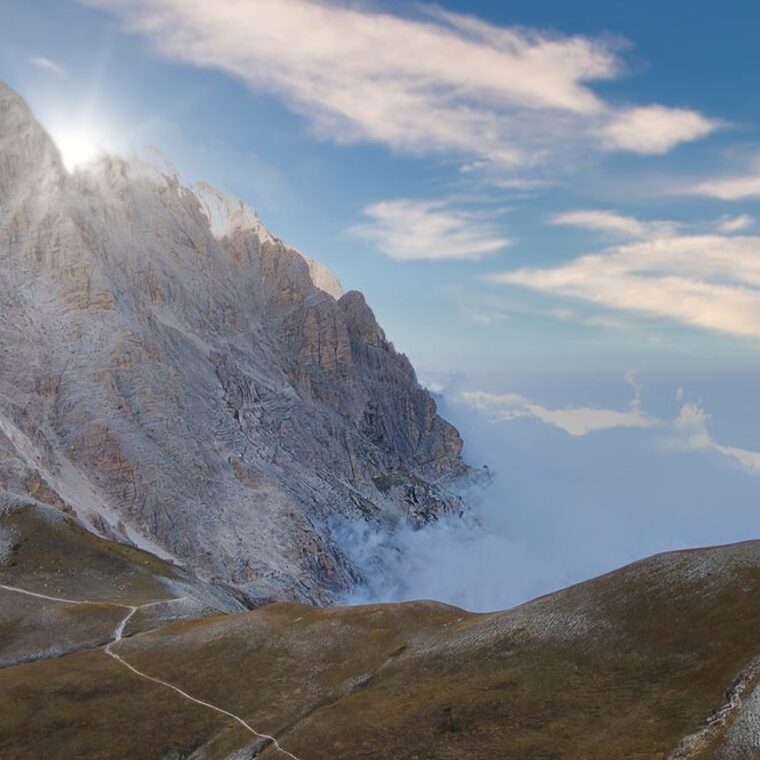
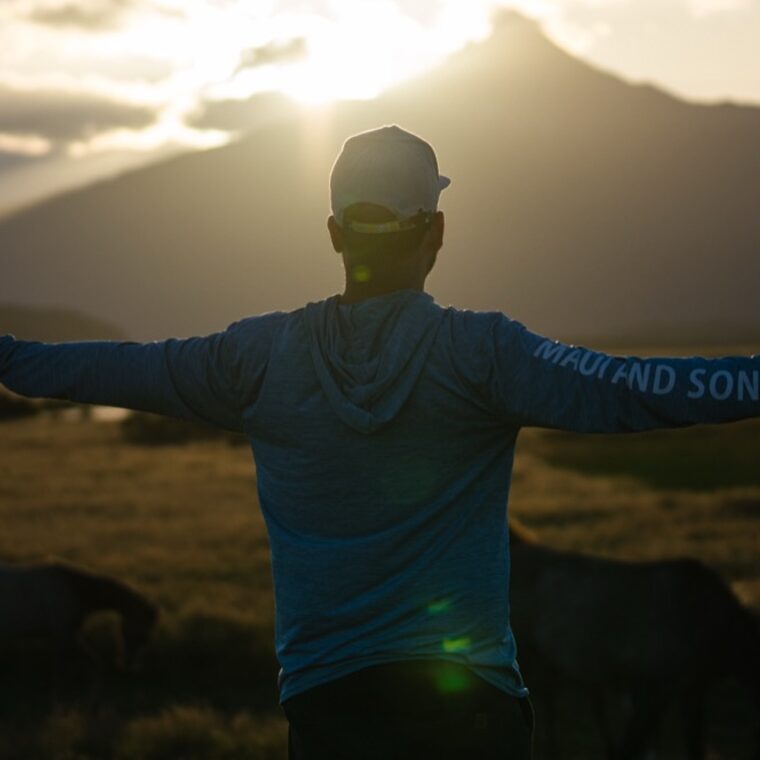
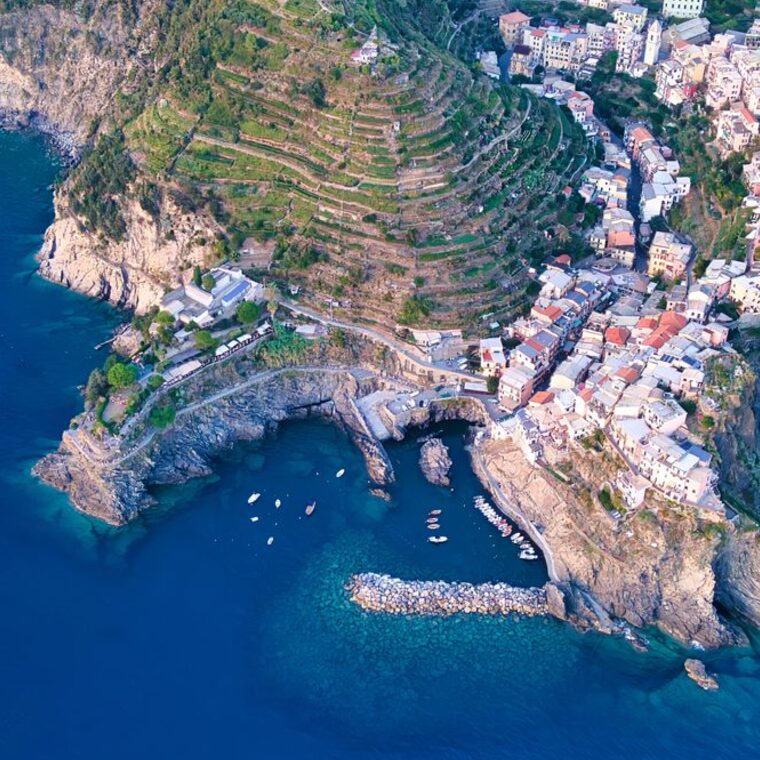
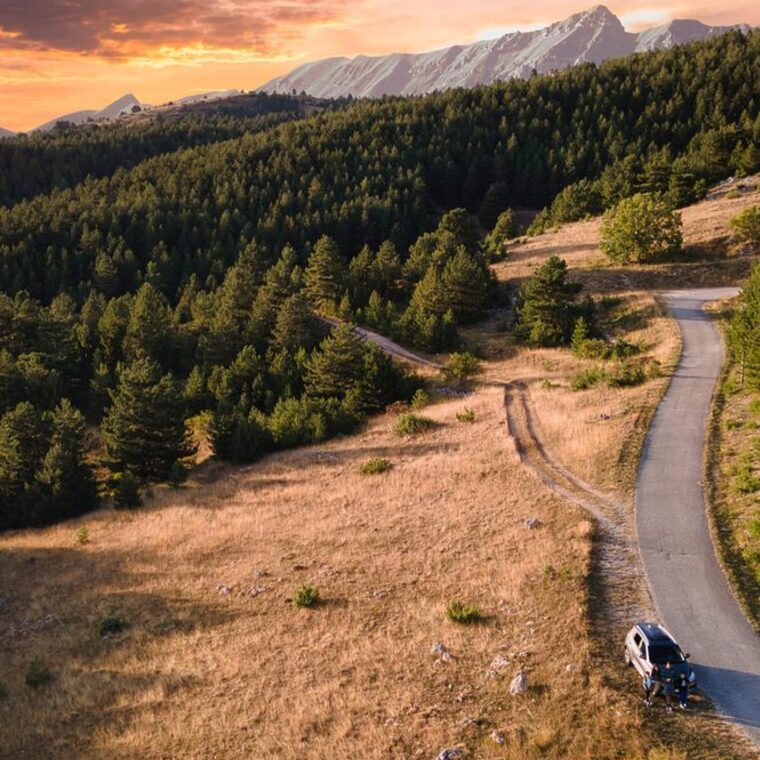
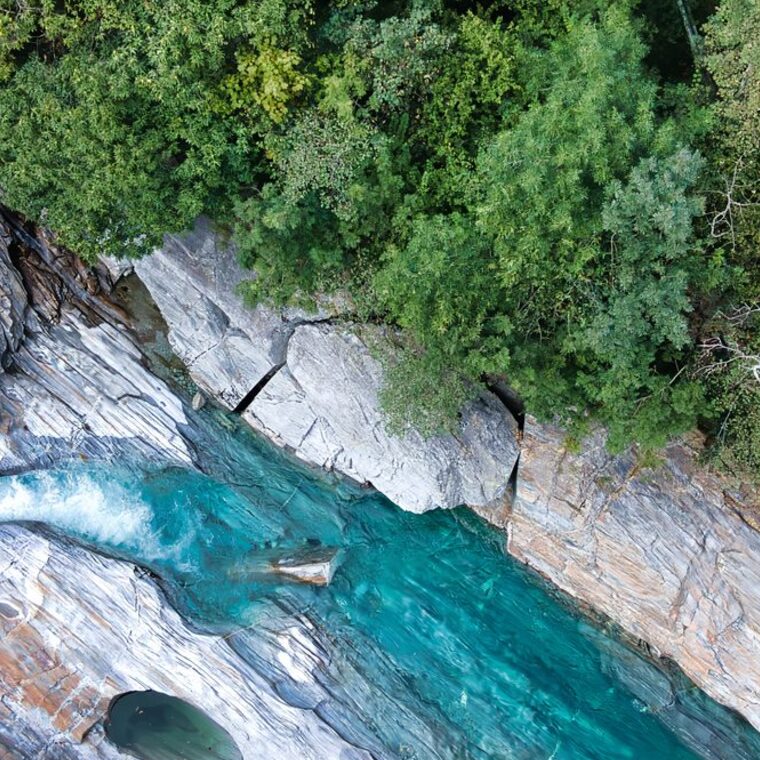
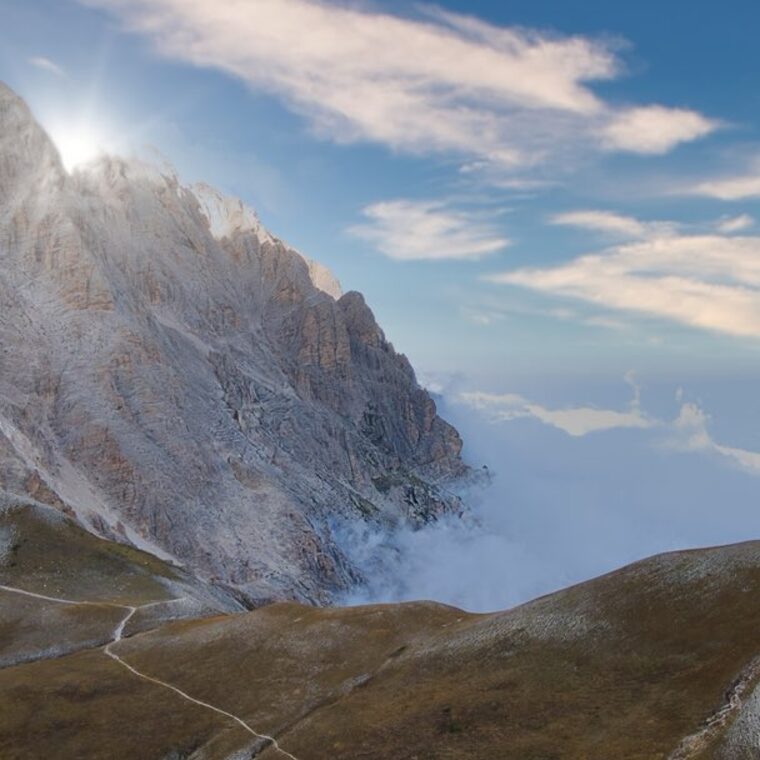
Young creators photographing a mountain landscape
New term starts September 1
Scool

Give them a craft,
not another app.

Scool (School Is Cool) is Acromatico's live online photography class for kids ages 7–14. They shoot real photos, then video, then a portfolio at a real URL. A phone camera is enough. Mondays and Thursdays, 11:30 AM Eastern, 30 minutes. Try one class for $30.

Founding cohort · capped at 20 students

Florida families Step Up (PEP / FES-UA) family? Scool may cost you $0 out of pocket

Watch this first

School, but cool.

1:43 · filmed on the beach · then enroll below

Why Scool exists

Most kids learn to consume screens. Ours learn to make things.

School is cool — that's where the name comes from. Scool is a 30-minute live class, twice a week, where a child ages 7–14 learns a real creative craft from working professionals, makes something every single session, and ends the year with a body of work they can point at and say I made that.

Learn by creating

No lectures about theory. Every session ends with something made — a shot, a cut, a page, a pitch.

Taught by working pros

Not a course someone recorded once. Italo and Ale still shoot weddings, brand films and campaigns every week.

One skill stacks on the next

Photography teaches the eye. Video teaches the story. The website teaches the voice. The business teaches the value.

The Creator Track · Sept 2026 → Aug 2027

One year. Three terms. A real creator at the end of it.

Nobody else in kids' education runs it this way. Most programs teach one isolated skill. We run a track — the same child, the same cohort, building one continuous creative practice from first photo to first paying idea.

Starts Sept 1

Term One

September → December

The Eye — Photography

Learning to see before learning to shoot. By December every student has a finished photo essay.

  • Composition: framing, lines, the rule and when to break it
  • Light & shadow: golden hour, window light, exposure
  • Manual mode: aperture, shutter, ISO — on any camera or phone
  • Portraits: how to make a person feel comfortable
  • Editing basics: from a good frame to a finished image
  • Term project: a 10–15 image photo essay, presented live

Term Two

January → April

The Story — Video

Same eye, now moving. Kids learn that a video is just photographs that argue with each other in order.

  • Shot grammar: wide, medium, close — and why order matters
  • Camera movement and stability without expensive gear
  • Sound: why bad audio kills a good picture
  • Editing: cutting on action, pacing, music beds
  • Vertical vs. wide: making one story work in both shapes
  • Term project: a 60-second short film with their own footage

Term Three

May → August

The Voice — Build & Business

The part nobody teaches children: turning a body of work into a presence, and a presence into value.

  • Build their own portfolio website — live, on a real URL
  • Naming, logo and a simple brand of their own
  • Writing about their work so people care
  • What a creator business actually is: offer, price, delivery
  • Money sense: what things cost, what work is worth, saving
  • Term project: a live portfolio site + a one-page creator plan

The Starter track · Same arc, 30-minute depth

Starter follows the same three terms. At a lighter pace.

Starter is not a shorter version of Studio's topics — it is the same three-term arc, taught in 30-minute sessions instead of 60. Every student gets the core instruction and a real term project. What Starter leaves out is the extra hour of studio time: the live Field Mission critique, the small-group session work, and the built-across-the-year portfolio site — those are what Studio adds.

Starts Sept 1

Term One

September → December

The Eye — Photography

The same starting point as Studio: learning to see before learning to shoot.

  • Composition basics: framing and the rule of thirds
  • Finding good light and avoiding harsh shadows
  • Camera basics: simple manual settings, on any phone or camera
  • Portrait basics: simple posing and putting people at ease
  • Term project: a 5-image photo set, shared with the class

Term Two

January → April

The Story — Video

The same eye, now moving — at a pace that fits a 30-minute session.

  • Shot basics: wide, medium, close-up
  • Steady shots without extra gear
  • Why clear audio matters
  • Simple cuts: trimming and ordering clips
  • Term project: a 30-second video using their own footage

Term Three

May → August

The Voice — Build & Business

The core ideas behind a portfolio and a creator business — without the full site build.

  • What a portfolio is, and why it matters
  • Naming and describing your own work
  • Writing a short caption that makes people care
  • What a creator business is, in plain terms
  • Term project: a one-page portfolio plan

Starter builds real skill on its own — a photo set, a short video, a portfolio plan a family can keep. The live built website, the Field Mission critiques, and the small-group studio sessions arrive with Studio, and any Starter family can move to Studio at any time, at Studio's current rate.

Joining later in the year

Start in any month. You haven't missed a thing.

This is the worry we hear most, so let's put it to rest: a student who joins in February is not behind a student who joined in September. The track is built to be entered at any point, and everything taught before you arrived comes with the account.

Everything is recorded

The full library, from day one.

Every session we have ever taught is waiting in your account the moment you enroll — not just the ones from your start date forward. Term one's photography lessons are there in March, in June, in August. Watch them in order, at your pace, as many times as you like.

Every skill is self-contained

No lesson depends on last week.

Each live session teaches one idea and ends with one thing made. A student who walks in on any given Monday can follow that class completely. The track builds depth over the year, but it never locks a newcomer out of the room.

A catch-up path, not homework

We tell you exactly where to start.

When a student joins mid-term we hand the parent a short catch-up list — the handful of recorded sessions that matter most for what the cohort is doing right now. Usually two or three. Not a backlog, just a runway.

And because the library stays with an active account, the value only compounds. A family in their second year still has every term-one lesson to revisit when a younger sibling is ready for it — and at the same founding rate they locked on day one.

What you won't find anywhere else

Five things nobody else is building for kids.

01 · Field Missions

Homework that happens outside.

Between sessions each student gets a mission — find the best light in your house, photograph something older than you. They shoot it, upload it, a parent approves it, and it earns progress. Field Missions are critiqued live in small-group studio sessions — most homework happens outside, camera in hand.

02 · The Junior Studio brief

A real assignment, from a real business.

Once a term the cohort receives an actual creative brief from a small business — the same kind of brief our studio gets. They shoot it, present it, and get critiqued the way professionals are. Selected work is used, with credit and parent consent.

03 · Their own live website

A portfolio at a real URL, before high school.

Term three ends with each student publishing a working portfolio site they built and can keep. Not a printout. Not a slideshow. A link they can send to a grandparent, a teacher, or one day an admissions officer.

04 · The Parent Portal

You can actually see the progress.

Attendance, missions completed, skills earned, work created — all visible to you, all under your control. You approve every upload and every consent setting, and you can revoke any of it at any time.

05 · The showcase wall

Work that gets seen, safely.

Standout student images go up on a curated fine-art wall — first names only, double-gated behind both instructor selection and written parent consent. Recognition is one of the strongest reasons a child keeps creating; we just make it safe.

Plus

The lifetime instruction library.

Every session is recorded and kept. Missed a Thursday? Sick week? Family trip? The lesson is there. As long as the account stays active, so does the whole library — including everything taught before you joined.

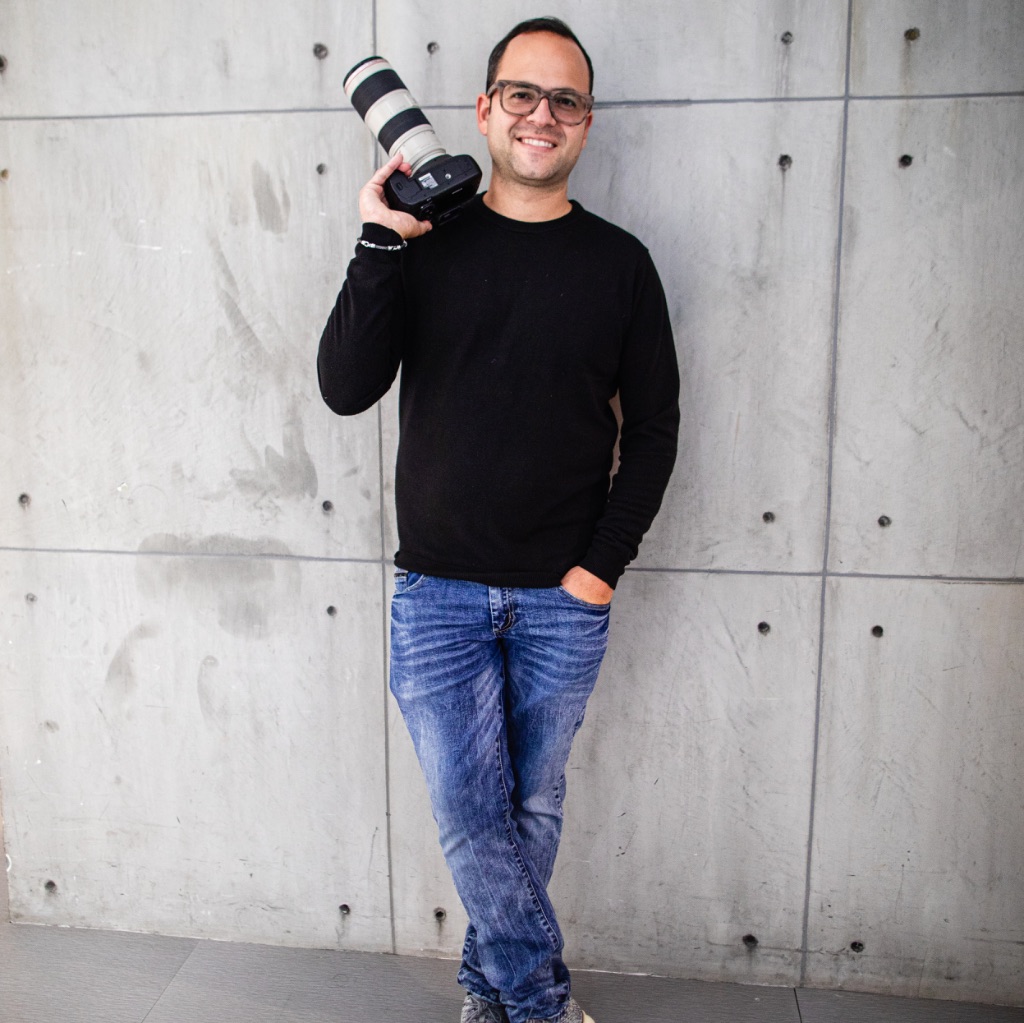
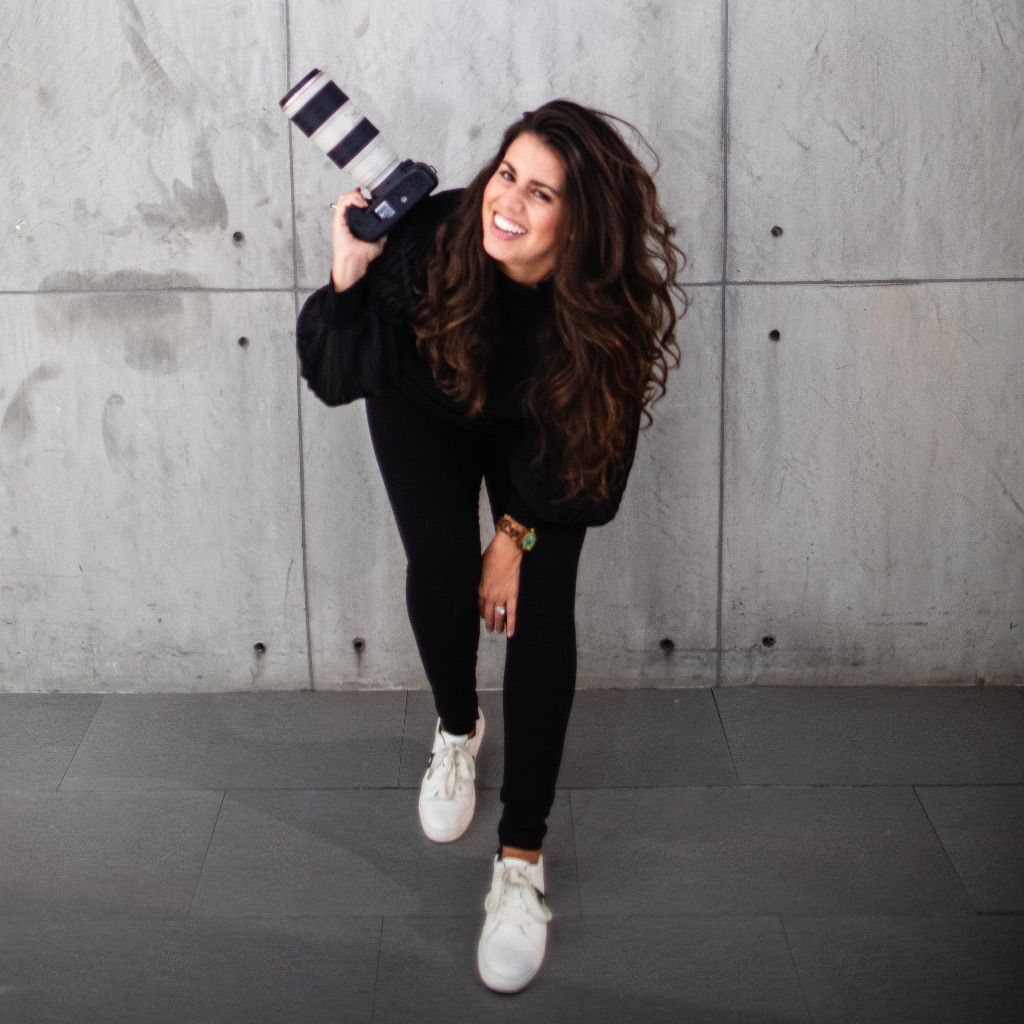
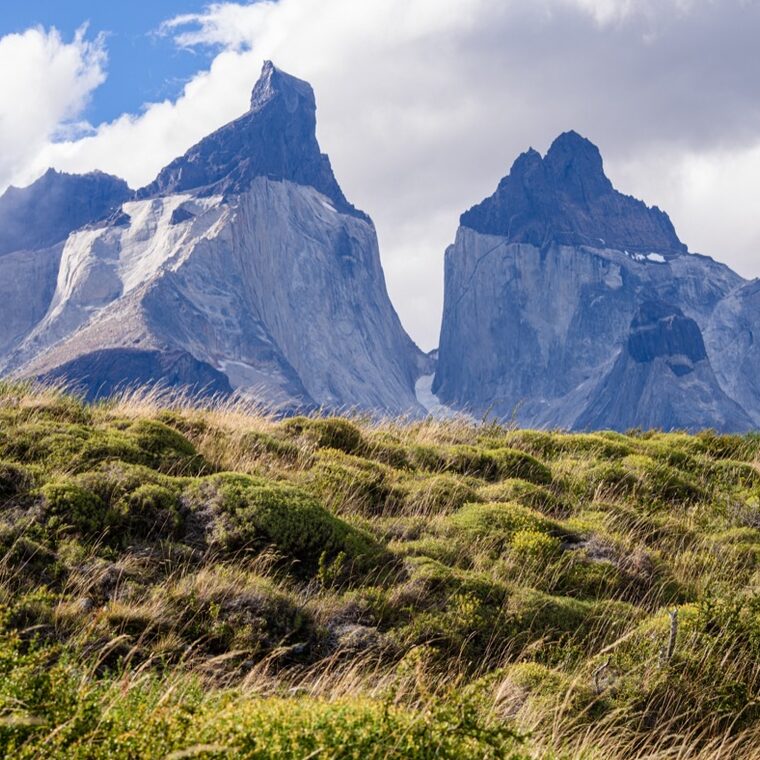
Italo and Ale, founders of Acromatico, on location in Patagonia
Patagonia, somewhere far from the inbox

Your instructors

We're Italo & Ale.

Parents. Photographers. Adventurers. We've spent two decades making pictures for a living — weddings, brand films, campaigns, three countries' worth of light. Scool is the class we wished existed for our own boys.

We teach the way we work: show the thing, make the thing, critique the thing kindly, do it again better.

20+Years pro
1,000+Events shot
3Countries
1M+Images taken

Tuition · Ages 7–14 · Grades 2–8

Introductory pricing, locked for life.

Founding rate guarantee

These are introductory prices for our opening term. Enroll now and the rate on the plan you join is locked for the lifetime of your account — every future increase to that plan passes you by, for as long as the account stays active and uninterrupted. The lock applies to the plan you enrolled in; moving to a different plan later is at that plan's current rate. If enrollment lapses or is cancelled, re-joining is at the rate current at that time.

Most families choose Studio

Studio

$325/month

≈ $3,900/yr — sits inside a Step Up scholarship award. 8 live 60-minute sessions, twice the instruction of Core.

  • 8 × 60-min sessions — twice the instruction
  • Everything in Starter
  • Field Missions critiqued live in small-group studio sessions
  • Portfolio work built across the year
  • Founding rate locked for life
  • Founding cohort — capped at 20 students

Typically covered in full by a Step Up scholarship

Starter (Core)

$100/month

8 live 30-minute group sessions a month. Upgrade to Studio anytime.

  • 8 × 30-min group sessions · Mon & Thu
  • Lifetime instruction library
  • Starter rate locked for life

By invitation only

The Creator Track — a portfolio website shipped live, a real client brief, a year-end showcase — is by invitation, offered to Studio students after two completed terms. It cannot be bought.

Siblings

5% off per additional child, applied to every student on the account.

Flexible

No contracts. Monthly cancels anytime, effective the next billing cycle.

Money-back

If the first month isn't a fit, tell us and we refund it — every dollar. Or try one class for $30 first.

Comparing plans and options

See it side by side.

Two comparisons: our own plans against each other, and Scool against the kinds of options a family is realistically weighing it against.

A. Starter vs. Studio vs. Creator Track

Comparison of Acromatico Scool's Starter, Studio and Creator Track plans
Feature Starter Studio Creator Track
Session length 30 minutes 60 minutes Same as Studio, plus a real client brief
Sessions per month 8 (Mon & Thu) 8 (Mon & Thu) 8 (Mon & Thu)
Class size cap Up to 50 students Founding cohort capped at 20 Small, by invitation
Curriculum depth Full 3-term arc, core instruction Same 3-term arc, full depth Everything in Studio, plus a year-end showcase
Live Field Mission critique Not included Included, small-group studio sessions Included
Portfolio work One term project per term Built across the year, live site by Term Three Portfolio, a real client brief and a year-end showcase
Rate lock Starter rate, locked for life Studio rate, locked for life Inherits the Studio rate already locked
Step Up scholarship coverage Eligible; priced to work out of pocket Typically covered in full Same as Studio
Price $100/month $325/month (≈ $3,900/yr) By invitation only — cannot be bought

B. Acromatico Scool vs. the alternatives

Real, currently-published options a family might also be looking at. Prices marked with a source are figures we found published; categories marked "typical range" are honest estimates for that kind of option, not one company's exact number. Where an alternative genuinely wins on some axis, that's stated plainly below.

Comparison of Acromatico Scool against other kids' photography, video and creator education options
Option Format Published / typical price Honest comparison
Acromatico Scool Live, small cohort, continuous 3-term track, taught by working photographers & filmmakers $100–$325/month Baseline for this table
Outschool-style single classes Live, independent teachers, single classes or short multi-week blocks — not a continuous track Typically $5–$36 per class; one published weekly 1-hour photography class runs about $130/week Scool's edge: a continuous three-term arc with the same teacher and the same cohort, a real portfolio outcome, and a lifetime instruction library — versus disconnected single classes that start over each time. Fair to note: the platform offers far more subject variety, and many single classes cost less per session than either Scool plan.
Private in-person photography tutoring Live, one-on-one or semi-private, in person $125–$150 per hour (city-market example) Scool's edge: a 60-minute Studio session costs a fraction of one hour of private tutoring, and Studio runs a full year with the same cohort. Fair to note: in-person private lessons give hands-on camera time no video call can fully replace.
Self-teaching from free videos YouTube/TikTok tutorials watched alone, no live instruction $0 Scool's edge: structure and a sequenced curriculum, live feedback on their actual work, accountability, a finished portfolio, and a peer group learning alongside them. Fair to note: free content is free — if a child could get there alone with tutorials, they already would have.

Figures above reflect publicly available pricing found in August 2026 and may change; competitor names are not disparaged, only compared by category or published rate.

Florida families · Step Up For Students

If your child has a scholarship, this may cost you nothing.

Florida's education savings accounts — PEP for families not enrolled full time in a school, and FES-UA for unique abilities — fund roughly $8,000–$10,000 per student per year. Arts enrichment and live online instruction are approved uses of those funds.

The math

A year of Studio is one line item.

Studio runs $3,900 a year against a PEP allocation near $8,000. It's roughly half the account — spent on a working creative skill, a portfolio, and a live website, rather than another curriculum box.

Use it or lose it

Unspent scholarship funds don't roll to you.

Most families we talk to are looking for something worth allocating to — not looking to save money. Scool is designed to be the elective on that list that a child actually looks forward to.

How you'd pay

Direct from the account, not your card.

We're completing registration as an approved online provider so tuition can be billed straight to your scholarship account. Until that's finalized, families can enroll normally and we'll help you file for reimbursement.

Not on a scholarship? Nothing here changes for you. Core stays $100 a month — it's the plan we built for homeschool families paying out of pocket, and we intend to keep it that way.

Our commitment to your child

Every session supervised. Every setting yours.

Sessions are led by credentialed instructors, never unsupervised, and recorded so a parent can review any class at any time.

A published progressive discipline policy protects the room: warning, parent call, suspension, removal. Kindness is a requirement, not a bonus.

Students keep the rights to their own work. Nothing is ever shown publicly without your written, revocable consent in the Parent Portal.

Questions parents actually ask

Before you enroll.

What is Scool?

Scool — School Is Cool — is Acromatico's live online photography and creator class for kids 7–14. Classes are twice a week, 30 minutes, on Zoom. Term one is photography, term two is video, term three is a portfolio website. A phone camera is enough. Try one class for $30.

Are there online photography classes for kids?

Yes. Scool is live online, Mondays and Thursdays at 11:30 AM Eastern. Students join from home, shoot real assignments, and get feedback from working photographers. Every session is recorded, so a missed class is not a lost class.

What ages is Scool for?

Ages 7–14 (roughly grades 2–8). A seven-year-old and a thirteen-year-old shoot the same brief; the assignments scale. Cohorts are grouped by age where numbers allow.

Does my child need a real camera?

No. A phone camera is genuinely enough for the whole photography term — every principle we teach (light, composition, timing, story) works on any device. If your child later wants a dedicated camera, we'll help you choose one that isn't a waste of money.

When exactly are classes?

Twice a week — Mondays and Thursdays at 11:30 AM ET — for 30 minutes each, live and online. That's 8 sessions a month. Every session is recorded and kept in the instruction library, so a missed class is never a lost class.

What does "introductory pricing, locked for life" mean?

The rates on this page are our opening-term prices. When you enroll, the rate on the plan you joined stays yours for the lifetime of the account — future increases to that plan won't touch you, as long as the account remains active and uninterrupted. The lock follows the plan: if you later move from Core to Studio, that's at Studio's current rate, and then that rate locks. If the account is cancelled or lapses, rejoining happens at whatever the price is then.

Can we use a Step Up For Students scholarship?

That's exactly who Scool is built for. Live online instruction and arts enrichment are approved uses of Florida ESA funds, and we're completing registration as an approved online provider so tuition can be paid directly from your scholarship account — meaning $0 out of pocket for you. If you're on PEP or FES-UA, tell us when you enroll and we'll walk you through it. Not on a scholarship? The Core plan is priced to be affordable on its own.

My child is 7. Will they keep up with a 13-year-old?

Yes — instruction is delivered to the whole room but the making is individual, and the assignments scale. A seven-year-old and a thirteen-year-old shoot the same brief and both leave with work they're proud of. Cohorts are grouped by age where numbers allow.

Can we join after September 1?

Absolutely. New students can start at the beginning of any month. Because the full instruction library comes with the account — including every session taught before you joined — nobody starts behind.

What about siblings?

Each additional child takes 5% off, applied across every student on the account. Two students pay $95 each, three pay $90 each, four land at $9.88 per class each. It stacks with annual prepaid.

Is this only photography?

Photography is where we start, because the eye comes first. From January it's video and editing. From May it's building their own website and understanding what a creator business is. More subjects follow after the first full year.

What's the refund policy?

The $30 trial and your first month are fully refundable — if the first month isn't a fit, tell us and we refund every dollar. After that, monthly plans cancel anytime, effective the next billing cycle. There's no risk in trying it.

Why not just free YouTube tutorials?

YouTube teaches at a screen, alone, with no one watching the work. Scool gives a child live feedback from a working professional, real accountability to show up and finish, a small cohort of peers doing the same thing, and a finished portfolio at the end — not just a pile of watched videos.

My kid is shy — will this work?

Groups are small and capped at 20 students in the founding cohort, and cameras are optional for the first few sessions — a shy student can watch and warm up before going on camera. Critique is kind by rule, never competitive, so there's no pressure to perform before they're ready.

Isn't this just more screen time?

We treat screens as tools, not feeds. Most of the actual homework — the Field Missions — happens outside, camera in hand, away from a screen. The live class itself is short, focused, and ends with something made, not something scrolled.

Founding cohort · Limited seats

Give them a craft, not another app.

Term one begins September 1. Enroll now and lock the founding rate for the life of the account.

Or start with one $30 session · No contract